
In a world where consumers are constantly bombarded with marketing messages, trust is everything. Whether you’re a B2B company or a consumer-facing brand, people want reassurance that others have had positive experiences before doing business with you. That’s where social proof comes in.
What Is Social Proof and Why It Matters
Social proof is the digital equivalent of word-of-mouth — the validation that comes from seeing others endorse, use or recommend a brand. From client testimonials and case studies to press mentions and social media followers, these signals tell potential customers, “You can trust us — others already do.”
When leveraged effectively, social proof can significantly boost brand credibility, trustworthiness and conversions. It not only helps build confidence among new audiences but also strengthens loyalty among existing customers.
How to Leverage Social Proof to Build Credibility
-
Client Reviews and Ratings
Positive client reviews are one of the most powerful forms of social proof. Create optimized profiles on key review platforms that align with your industry — like Google Business Profile, Trustpilot or G2 — to make it easy for clients to share their experiences.
Encourage satisfied customers to leave reviews by including links in email drip campaigns, post-purchase communications or on your website’s landing pages. Then, highlight the best reviews across your website, sales materials and social channels to showcase your strong reputation and consistent results.
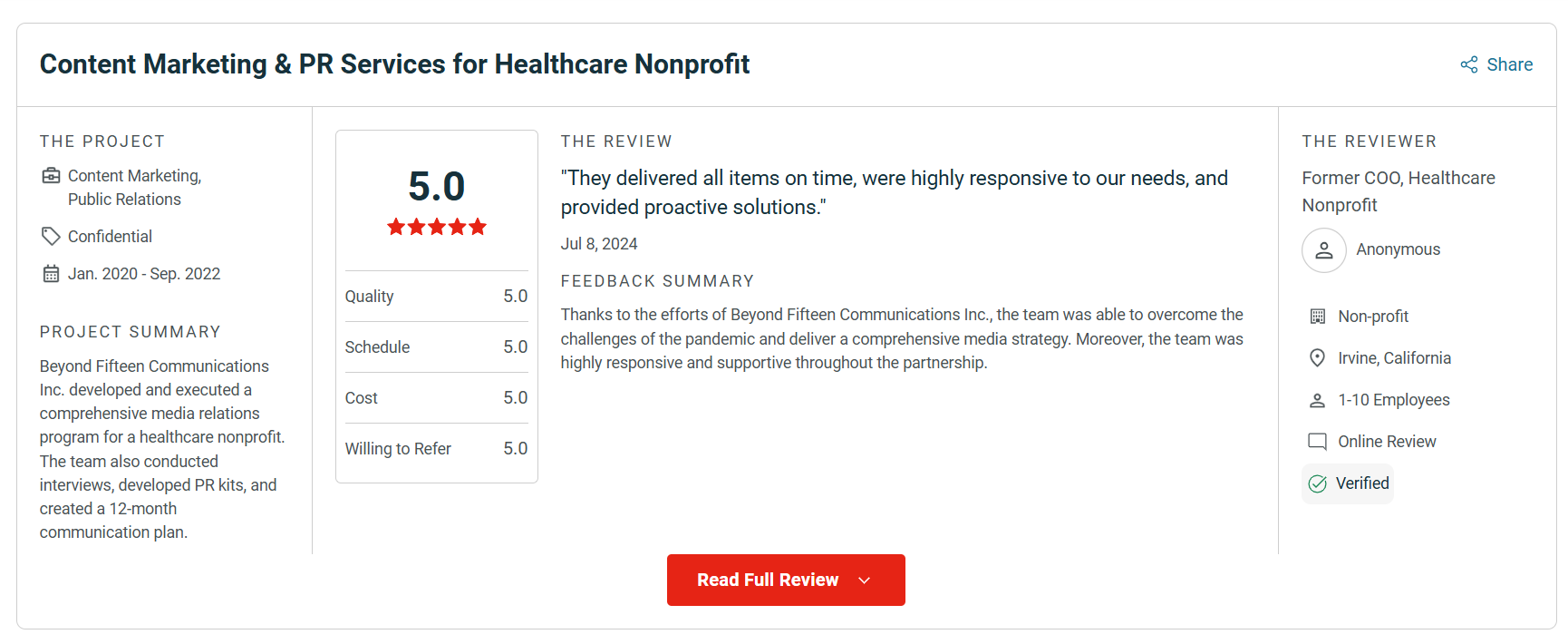
Image Credit: Beyond Fifteen, Clutch
-
Case Studies That Tell a Story
For B2B brands especially, case studies are an invaluable tool to demonstrate your success and capabilities. They offer real-world examples of how your product or service solved client challenges and delivered results.
Always ask for client permission before publishing — it can often serve as positive publicity for them, too. Focus on measurable KPIs and outcomes that clearly show success and feature your case studies on a dedicated website page or within your sales enablement materials.
-
Industry Awards and Recognitions
Awards and recognitions act as third-party validation of your expertise and quality. Display award logos and accolades prominently on your website and marketing materials to highlight your brand’s credibility.
A skilled PR agency can help identify the most relevant award opportunities and manage the application process to increase your chances of success — ensuring your efforts are strategic and worthwhile.
-
Press Mentions and Earned Media Placements
Being featured in high-authority publications — like Forbes, Business Insider or TechCrunch or in product round-ups on sites such as Good Housekeeping or Buzzfeed — instantly elevates your brand’s credibility. Working with an experienced PR team that understands what’s “newsworthy” and how to pitch effectively can help you secure valuable earned media coverage.
Once you’ve landed coverage, amplify it! Add an “As Seen In” section to your website, share the placements on social media and include them in your email newsletters.
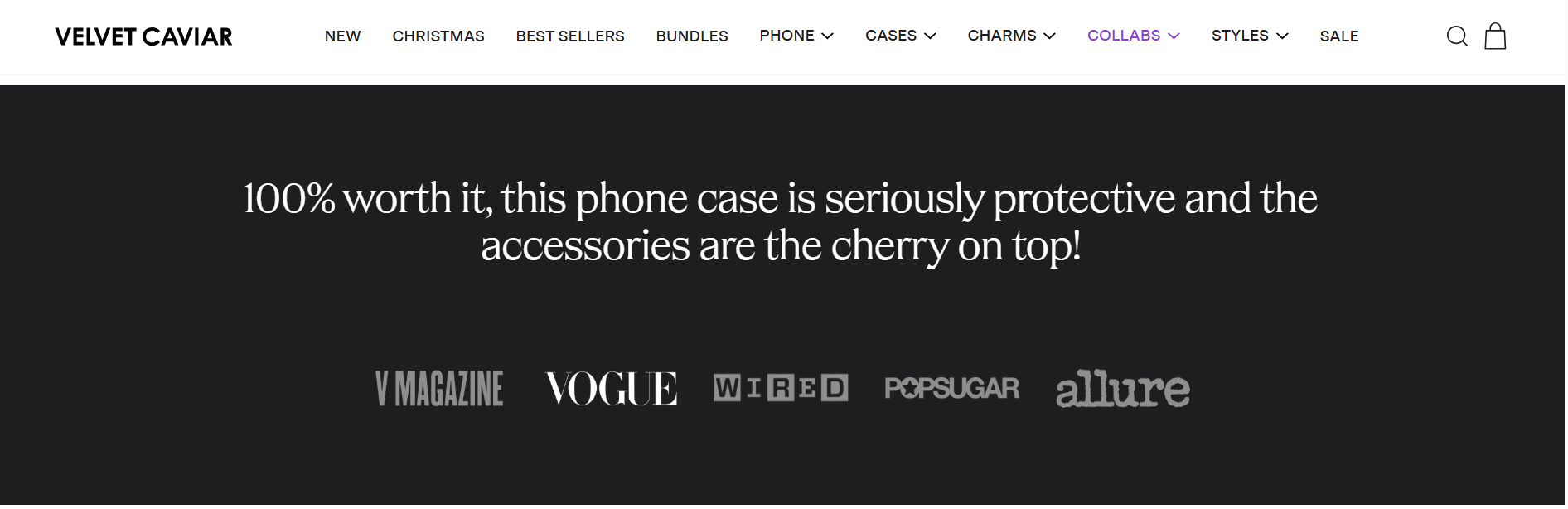
Image Credit: Velvet Caviar
-
An Active Online Presence
A strong, consistent social media presence signals that your brand is active, engaged and credible. Maintaining accounts on platforms like LinkedIn, Instagram, Facebook, X, TikTok and YouTube shows you’re invested in building community and staying connected.
Follower counts and engagement rates also serve as indicators of trust — if people are liking, commenting and sharing your content, it validates your authority in your industry.
-
Expert Endorsements or Influencer Partnerships
Endorsements from industry experts, thought leaders or influencers can go a long way in building credibility. People trust people — and having respected voices speak positively about your brand lends an added layer of authority and authenticity.
-
Data-Backed Proof Points
Numbers don’t lie. Incorporate data-driven claims into your marketing to provide tangible evidence of success — for example:
- “Serving 500+ satisfied clients”
- “15 years of industry experience”
- “98% client retention rate”
- “50K newsletter subscribers”
These factual statements reinforce trust while adding quantifiable weight to your brand story.
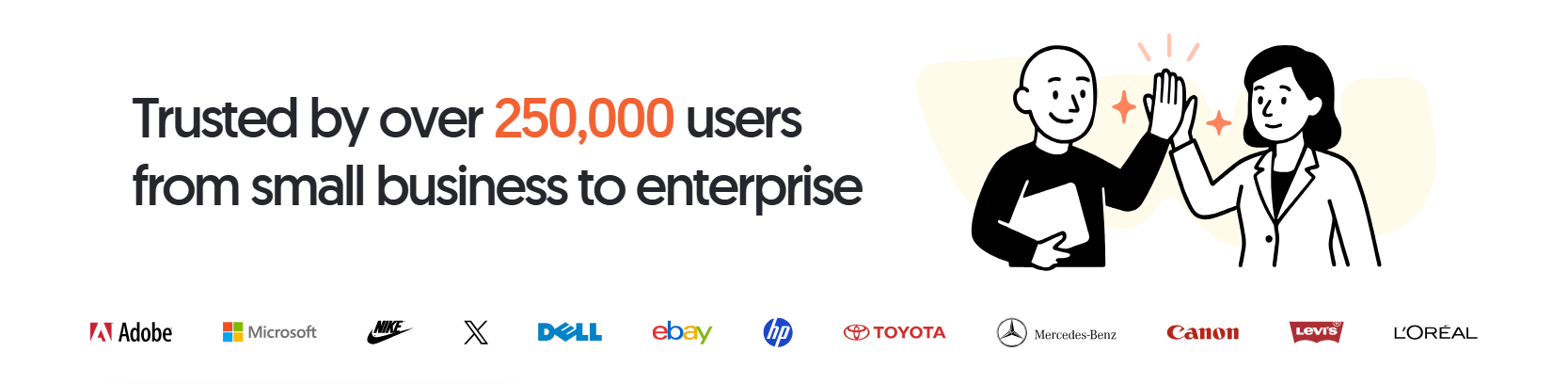
Image Credit: Ubersuggest
Building a Stronger Brand Through Social Proof
Ultimately, social proof helps potential customers see your brand the way you want to be seen — credible, capable and trusted. But like any marketing strategy, it works best when it’s intentional and integrated across your channels.
At Beyond Fifteen, we specialize in omnichannel digital marketing and PR strategies that help brands not just earn social proof — but maximize it. From securing earned media placements to curating strong client stories and amplifying them across digital platforms, our team knows how to build credibility that converts.
Ready to take your brand’s trust factor to the next level?
Get in touch with Beyond Fifteen to learn how we can help you leverage social proof strategically and authentically to achieve your business goals.